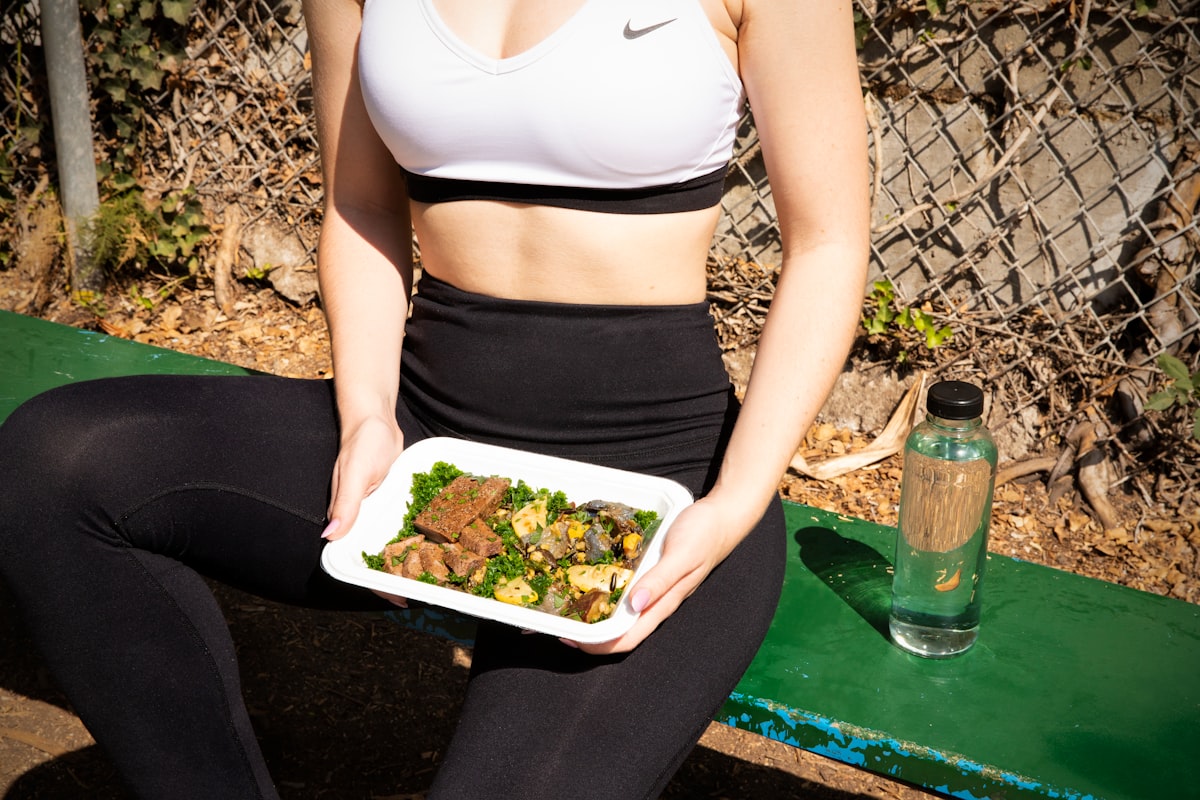
Master Nutrient Timing for Peak Performance
Expert-backed strategies to optimise your nutrition around training, competition, and daily life. Discover when and what to eat for maximum benefit.
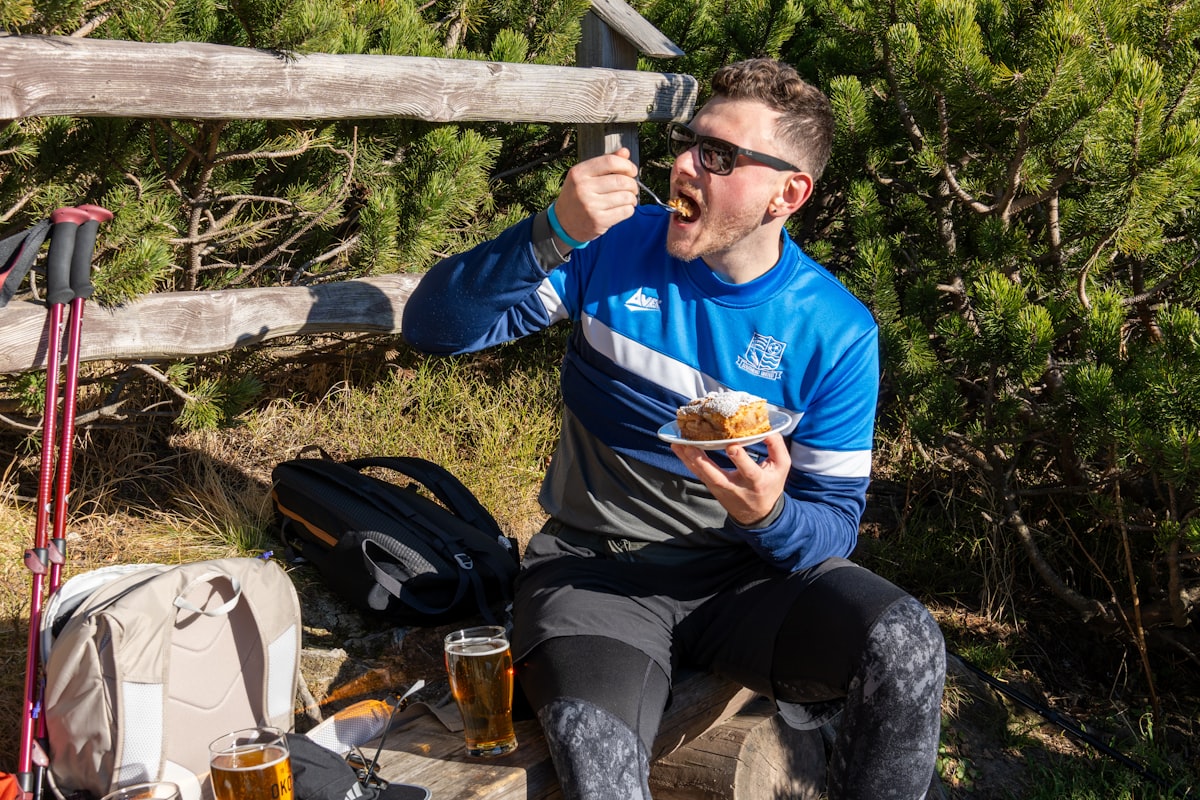
Why Timing Matters More Than You Think
The science of nutrient timing has evolved dramatically. Strategic nutrient intake around your training window can enhance muscle adaptation, speed recovery, and improve overall athletic performance.

Pre-Training Preparation
Fuel your body 1–3 hours before exercise with the right carbohydrate and protein balance to maximise energy availability and prevent fatigue.
Intra-Training Support
For extended sessions, strategic carbohydrate intake maintains blood glucose and delays fatigue, particularly in endurance activities lasting over 90 minutes.
Post-Training Recovery
The recovery window immediately following exercise is critical. Protein and carbohydrate intake within 30–120 minutes optimises muscle protein synthesis and glycogen restoration.
The 4-Phase Nutrient Timing Protocol
Our expert framework breaks down optimal nutrition into four distinct phases, each with evidence-based recommendations tailored to your training schedule.
Early Fuelling
Begin nutrient intake 3–4 hours before training. Focus on easily digestible carbohydrates combined with moderate protein and minimal fat.
Example: Oatmeal with banana and almond butter
Pre-Training Prime
1–2 hours before exercise, consume a smaller, lighter meal or snack. Aim for rapid carbohydrates to top off muscle glycogen stores.
Example: Rice cakes with honey and a small protein shake
Intra-Training Fuel
During sessions over 60 minutes, sip a carbohydrate-electrolyte drink every 15–20 minutes. Hydration and simple sugars maintain performance.
Example: Sports drink, 6–8% carbohydrate solution
Post-Training Recovery
Within 30–60 minutes of finishing, consume protein and carbohydrates in a 1:3 or 1:4 ratio to accelerate muscle repair and glycogen refilling.
Example: Chicken with sweet potato and vegetables
Featured Expert Resources
Explore our comprehensive guides and articles covering sport-specific timing strategies, recovery optimisation, and practical meal planning.
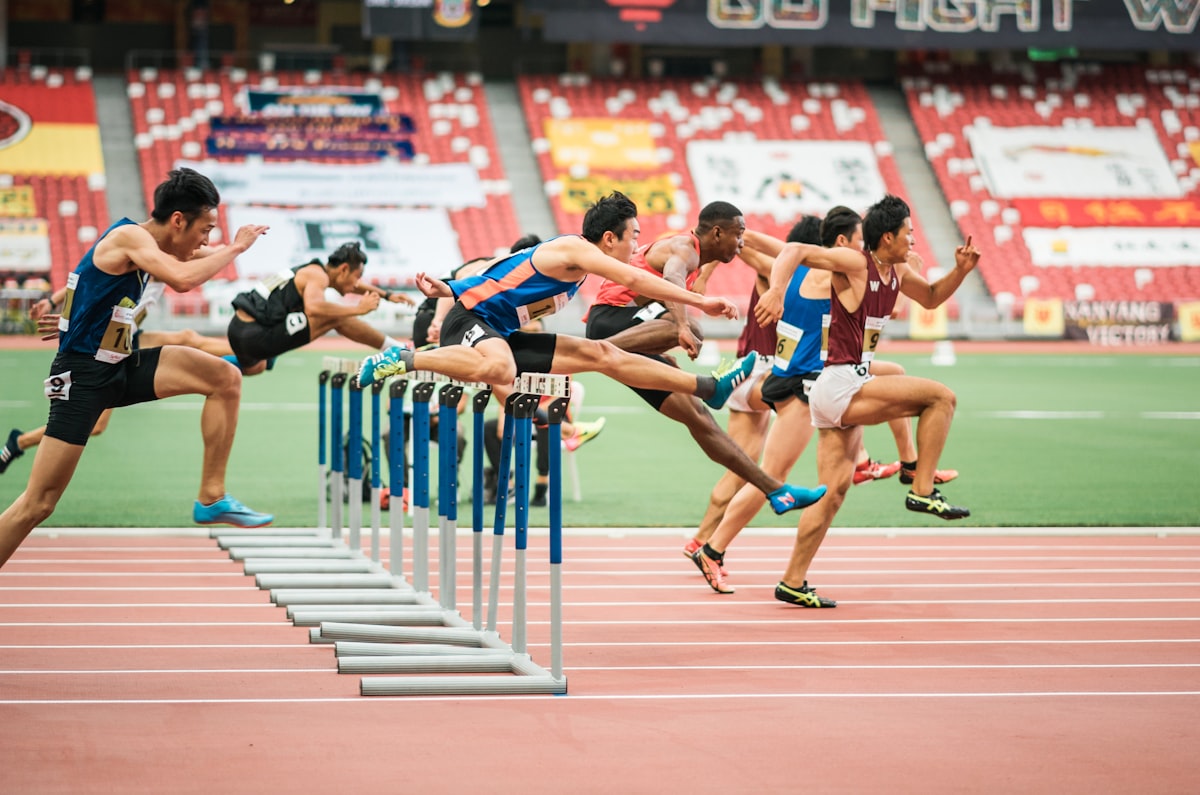
Fuelling Strategies for Endurance Athletes
Discover how marathon runners, cyclists, and triathletes optimise carbohydrate intake during extended efforts. Learn about periodisation and competition day nutrition.
Read Article →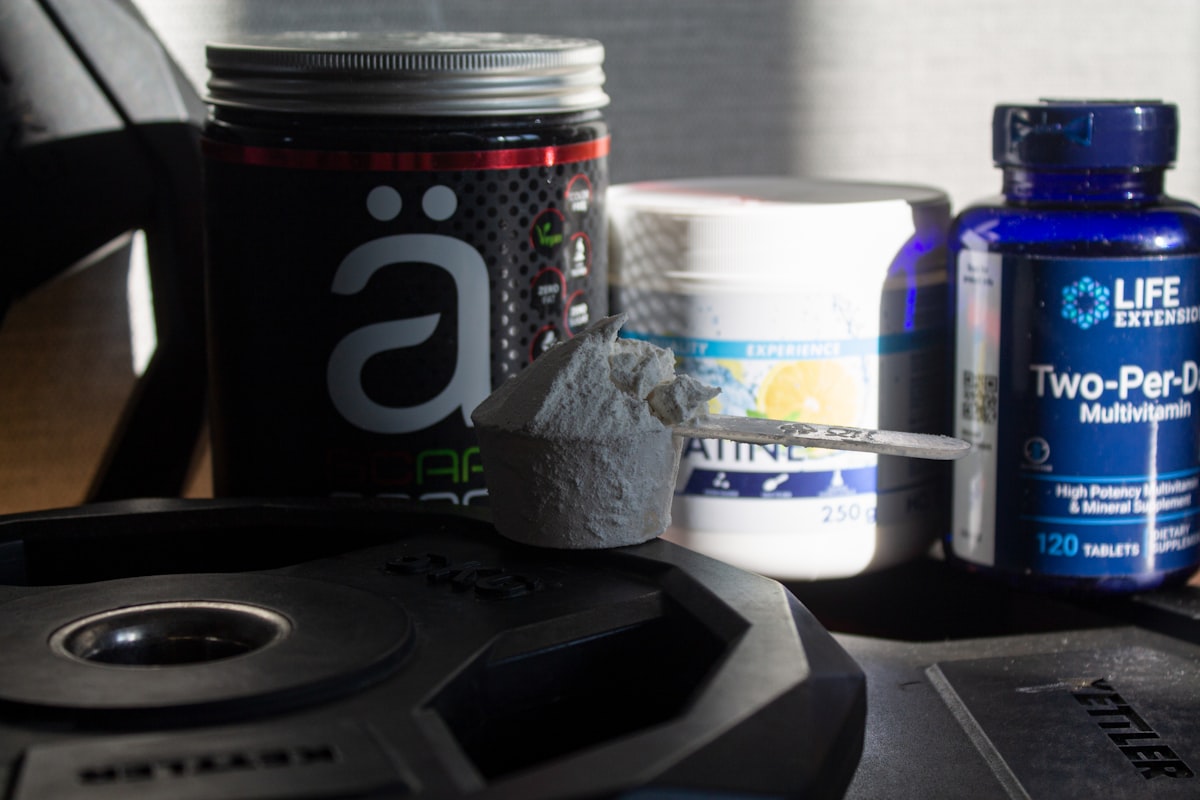
Protein Timing for Muscle Development
Understand the latest research on protein synthesis windows. Learn optimal protein quantities, timing around resistance sessions, and amino acid profiles.
Read Article →
Accelerating Recovery Between Sessions
Master the science of post-exercise nutrition windows, electrolyte balance, and micronutrient timing to reduce soreness and maintain consistent training quality.
Read Article →
Competition Day Nutrition Planning
Race-day preparation requires precision. Learn how to structure meals the day before, morning hydration protocols, and last-minute fuelling tactics.
Read Article →
Hydration and Electrolyte Timing
Water timing is as critical as nutrient timing. Explore individualised hydration calculations, sodium strategies, and climate-specific approaches.
Read Article →
Training in Fasted States: What the Science Says
Intermittent fasting is popular, but how does it interact with training timing? Examine when fasted training may work and when fuelling is essential.
Read Article →Why Our Editorial Approach
At Yogabalancediet, we combine sports science expertise with practical, real-world application. Our content is researched, tested, and refined by nutrition professionals.
Evidence-Based Content
Every article and guide is grounded in peer-reviewed research and current sports nutrition science. We cite studies and explain the reasoning behind recommendations.
Athlete-Focused Perspective
We understand training demands across different sports. Our writers include certified nutritionists and sports science professionals working with athletes at all levels.
Practical Strategies
Knowledge without application is incomplete. We provide meal timing charts, sample menus, and actionable strategies you can implement immediately.
Sport-Specific Guidance
Endurance, strength, team sports, and mixed modalities have different nutritional demands. Our content is tailored to your sport and training style.
Updated Regularly
Sports nutrition research evolves. We continuously review emerging evidence and update our articles to reflect the latest findings and best practices.
Community Feedback
Your questions and real-world experiences shape our content roadmap. We engage with readers to ensure our editorial output addresses your specific needs.
What Athletes & Fitness Professionals Say
Our readers apply these principles across sports, fitness levels, and training environments. Here's how nutrient timing has made a difference.
"I applied the carbohydrate intake recommendations during my last half-marathon and noticed a real difference in my endurance. last half-marathon and felt a significant improvement in my performance. The detailed hydration sections were exactly what I needed."
Sarah Mitchell
Manchester, England
"As a strength coach, I recommend Yogabalancediet to all my clients. The protein timing article provides evidence-based information that actually aligns with current research. My clients improved their recovery noticeably when we implemented the post-training nutrition window recommendations. Clear, practical, and backed by science."
James Robertson
Edinburgh, Scotland
"I've struggled with afternoon energy crashes during my training sessions. The early fuelling and pre-training prime sections gave me a simple framework to follow. Within two weeks of adjusting my meal timing, my afternoon workouts were significantly more productive. This is the most practical nutrition resource I've found."
Emma Taylor
Leeds, England
"As a competitive cyclist, I'm constantly fine-tuning my nutrition. The intra-training fuel article explained the science behind carbohydrate-electrolyte solutions in a way that finally made sense. I've adjusted my race-day nutrition plan based on these insights, and my power output and endurance have both improved noticeably."
Michael Chen
London, England
Common Questions About Nutrient Timing
Practical answers to questions our readers ask most frequently about implementing timing strategies.
Is nutrient timing important if I'm training casually?
Nutrient timing benefits athletes most significantly, but even casual exercisers see improvements in energy, recovery, and consistency. If you train 3+ times per week, structured timing around sessions will enhance performance and reduce post-exercise fatigue. For one-off gym sessions, basic guidelines (eating within 2 hours before or after) provide noticeable benefit.
Can I time nutrients if I have dietary restrictions?
Absolutely. Nutrient timing principles apply across plant-based, gluten-free, dairy-free, and other dietary patterns. The timing windows and macronutrient ratios remain consistent; only the food choices change. Our blog includes sport-specific articles with vegan and allergen-friendly meal examples aligned to training schedules.
How accurate does my timing need to be?
Timing doesn't need to be precise to the minute. A 30-minute variance around suggested windows is normal and acceptable. The key is consistency—eating within 2 hours post-training will always outperform eating 5+ hours later. Aim for approximate windows, not military-grade exactness.
What if I train twice per day?
Double training days require a modified approach. You'll need to prioritise recovery nutrition after the first session (especially protein) while still fuelling properly for session two. The recovery window becomes critical to maintain glycogen between sessions. See our advanced timing guides for sport-specific protocols.
Does nutrient timing matter if my diet is already poor?
Timing optimises your nutrition—it doesn't substitute for overall diet quality. A healthy baseline diet (whole foods, adequate protein, vegetables) is the foundation. Nutrient timing then layers on top, improving performance by 5–15%. Focus on food quality first, timing second.
How do I adjust timing for early morning or late evening training?
Early training usually requires a lighter pre-exercise meal consumed 60–90 minutes before (e.g., banana and toast) due to limited digestion time. Late training may push your recovery meal into the evening, which is fine if sleep quality doesn't suffer. Adjust meal size and composition based on your individual response.
Explore More Expert Insights
Discover detailed guides on sport-specific timing, recovery strategies, competition day nutrition, and practical implementation. Browse our full article library and build your personalised nutrition timing plan.
Have Questions or Feedback?
Our editorial team welcomes your questions about nutrient timing, training-specific strategies, and nutrition science. Send us feedback about the articles or suggest topics you'd like us to cover.
Contact our editorial team:
Get in Touch